Flatwoods church of Christ

  • Home
  • News
  • Media
    • Articles
    • Bible Studies
    • Gospel Meeting
    • Lesson Audio
    • Video
  • Members
  • Peru Mission
  • About Us
    • Plan of Salvation
    • Staff, Elders, and Deacons
  • Library
    • Correspondence Course
    • Links
    • Preach the Word
  • Visit
    • What To Expect
  • Contact
You are here: Home / Archives for Media / Articles

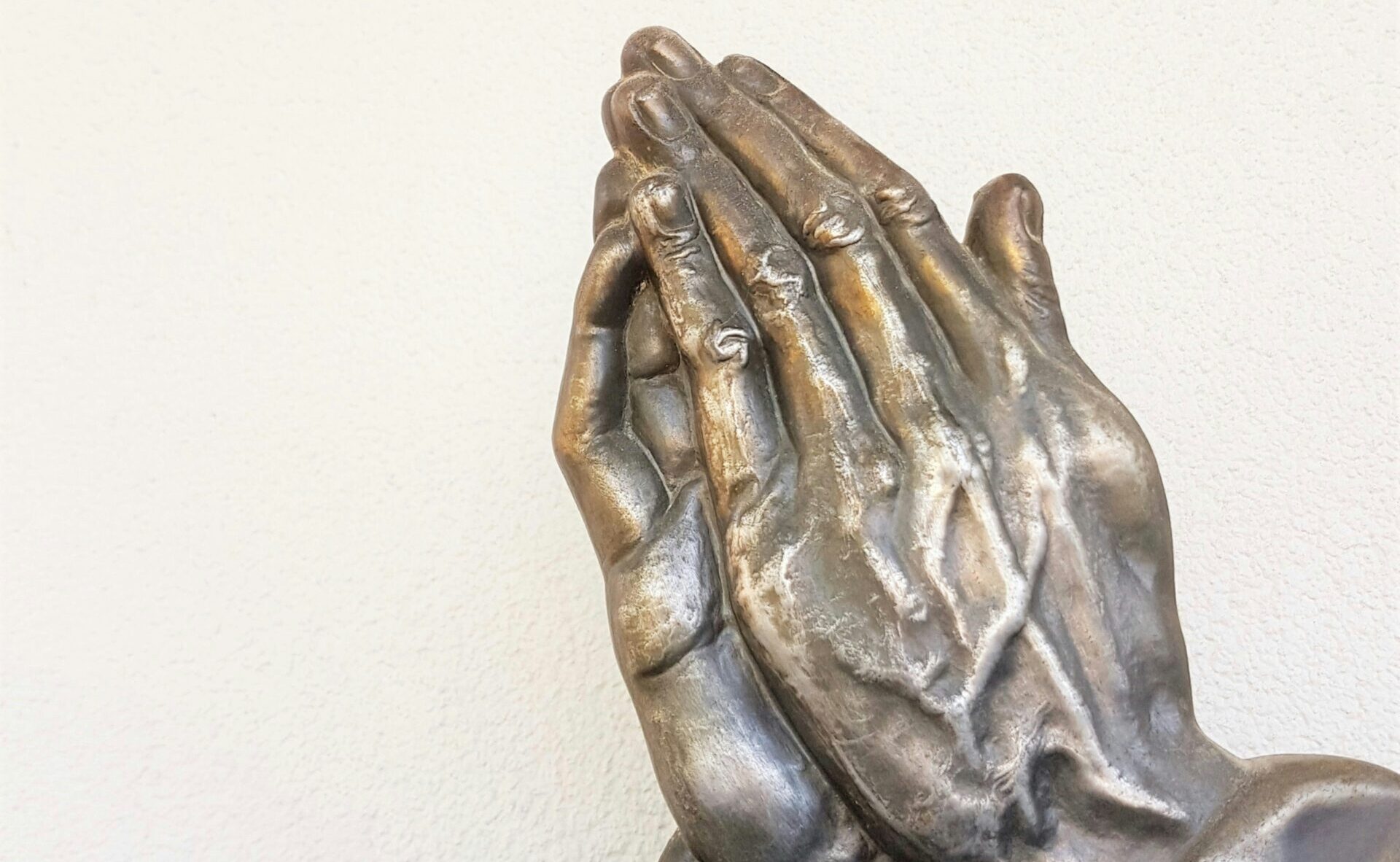
Not Found in the Bible, The Sinner’s Prayer

June 5, 2026 by admin Leave a Comment

One of the most common teachings in the religious world today is that a person can be saved by praying what is often called “the sinner’s prayer.” Many have been told to simply ask Jesus into their heart and accept Him as their personal Savior through prayer. While this teaching is popular, the question remains: Where is it found in the Bible?

The answer is simple: it is not found anywhere in the New Testament.

Photo by <a href="https://unsplash.com/@patrickian4?utm_source=unsplash&utm_medium=referral&utm_content=creditCopyText">Patrick Fore</a> on <a href="https://unsplash.com/photos/man-holding-his-hands-on-open-book-b_SHPU5M3nk?utm_source=unsplash&utm_medium=referral&utm_content=creditCopyText">Unsplash</a>
Photo by Patrick Fore on Unsplash

There is not a single example of an alien sinner being told to pray a prayer for salvation. There is not one conversion account in the book of Acts where a person received forgiveness of sins by reciting a prayer. If the sinner’s prayer is God’s plan of salvation, why is it absent from every recorded conversion in Scripture?

On the Day of Pentecost, those convicted of their sins cried out, “Men and brethren, what shall we do?” (Acts 2:37). Peter did not tell them to pray for salvation. Instead, he commanded, “Repent, and let every one of you be baptized in the name of Jesus Christ for the remission of sins” (Acts 2:38). About three thousand obeyed that command and were added by the Lord to His church (Acts 2:41, 47).

Consider also Saul of Tarsus. After encountering the risen Christ, Saul spent three days fasting and praying (Acts 9:9-11). Yet despite his faith and prayers, he was still in his sins. Ananias came to him and said, “And now why are you waiting? Arise and be baptized, and wash away your sins, calling on the name of the Lord” (Acts 22:16). Saul was not told to pray through for salvation. He was told to be baptized so that his sins could be washed away.

The New Testament consistently teaches that salvation comes through obedient faith. Jesus declared, “He who believes and is baptized will be saved” (Mark 16:16). Peter taught baptism for the remission of sins (Acts 2:38). Paul taught that we are baptized into Christ and into His death (Romans 6:3-4). Peter plainly stated, “There is also an antitype which now saves us—baptism” (1 Peter 3:21).

Many sincere people have been taught the sinner’s prayer, but sincerity does not determine truth. The Bereans were commended because they searched the Scriptures daily to verify what they were taught (Acts 17:11). Every religious teaching must be tested by the Word of God.

The real issue is not what religious tradition says, but what the Bible says. When we open the New Testament, we find faith, repentance, confession, and baptism. We do not find preachers leading sinners in a prayer to receive salvation. The gospel preached by Christ and His apostles called men and women to obey the Lord’s commands, not simply repeat certain words.

If we truly desire to follow the New Testament pattern, we must reject human doctrines and submit to the plan of salvation revealed by God. Rather than asking, “What do most churches teach?” we should ask, “What do the Scriptures teach?” The answer is clear. The sinner’s prayer is not found in the Bible, but God’s plan of salvation is.

The question is not whether a doctrine is popular, traditional, or sincerely believed. The question is whether it is taught in the Word of God. Jesus said, ‘If you love Me, keep My commandments’ (John 14:15). Let us be content to follow the New Testament pattern and trust God’s plan rather than men.

God Bless

Todd Parsley
Minister
Flatwoods church of Christ
Filed Under: Articles, Featured

Preparing for Worship Before Sunday Arrives

May 29, 2026 by admin Leave a Comment

“I was glad when they said unto me, Let us go into the house of the Lord” (Psalm 122:1). Worship is one of the greatest blessings given to the child of God. It is the opportunity to honor our Creator, remember the sacrifice of Christ, and join together with fellow Christians to give thanks and honor to God. Yet many times worship is approached casually, hurriedly, or without proper preparation. Far too often people prepare more carefully for work, school, vacations, or sporting events than they do for meeting with God in worship.

True worship begins long before the opening prayer on Sunday morning. Jesus taught that worship must be offered “in spirit and in truth” (John 4:24). This means worship involves both the right actions and the right heart. A distracted, bitter, or worldly mind cannot fully focus upon God. We should prepare our hearts throughout the week by living faithfully, praying regularly, studying God’s word, and removing sinful attitudes from our lives. Ecclesiastes 5:1 reminds us, “Walk prudently when you go to the house of God.” Worship deserves reverence and thoughtful preparation.

Preparation also includes our attitude toward the assembly itself. Hebrews 10:24-25 teaches the importance of assembling together faithfully. Rather than viewing worship as an obligation to endure, Christians should anticipate it with joy and gratitude. We gather to honor God, encourage one another, partake of the Lord’s Supper, sing praises, and hear the teaching of God’s word. Every service is an opportunity for spiritual strength and growth and edification.

Families can prepare for worship by planning ahead on Saturday evening, getting proper rest, and avoiding unnecessary distractions on Sunday morning. Arriving on time, bringing our Bibles, and entering the assembly with a reverent spirit helps us focus our minds upon the Lord. When worship becomes a priority rather than an afterthought, our spiritual lives will be strengthened.

May we never forget the privilege we have to assemble with the saints. Let us come before God with thankful hearts, prepared minds, and a sincere desire to worship Him acceptably “with reverence and godly fear” (Hebrews 12:28).

See you Sunday!

God Bless

Todd Parsley
Minister
Flatwoods church of Christ

Filed Under: Articles, Featured

Remember

May 21, 2026 by admin Leave a Comment

One of the greatest blessings God has given mankind is the ability to remember. Throughout Scripture, God continually called His people to remember His works, His commandments, and His faithfulness. Forgetfulness often leads people away from God, but remembering keeps our hearts anchored in truth. Moses told Israel, “Beware that thou forget not the LORD thy God” (Deuteronomy 8:11). When the people remembered God’s deliverance and provision, they remained thankful and obedient. When they forgot Him, they drifted into sin and rebellion.

The Bible teaches Christians to remember the sacrifice of Christ every first day of the week through the Lord’s Supper. Jesus said, “This do in remembrance of me” (Luke 22:19). Each Sunday, Christians pause to remember the body and blood of Christ given for our salvation. This remembrance is not merely a ritual but a heartfelt reflection upon the cross, the grace of God, and the hope found in the resurrection. Remembering Christ strengthens faith and renews devotion.

Christians are also encouraged to remember the teachings of Scripture. Peter wrote, “I will not be negligent to put you always in remembrance of these things” (2 Peter 1:12). Even faithful Christians need continual reminders because the pressures of life can distract us from spiritual priorities. Remembering God’s promises gives comfort in trials, courage in temptation, and hope in difficult days.

The Scriptures also remind us to remember others. Hebrews 13:3 says, “Remember them that are in bonds, as bound with them.” We are called to remember those who suffer, those in need, and those who labor faithfully for the Lord. A remembering heart is a compassionate heart.

May we strive each day to remember God’s goodness, Christ’s sacrifice, and the eternal hope set before us. A faithful Christian life is built upon continually remembering the Lord and walking in thankful obedience to Him.


God Bless

Todd Parsley
Minister
Flatwoods church of Christ

Filed Under: Articles, Featured

Thomas

May 15, 2026 by admin Leave a Comment

Thomas is remembered by many as “Doubting Thomas,” yet his life reveals a disciple of courage, honesty, and growing faith. Thomas was one of the twelve apostles personally chosen by Jesus to follow Him and learn from His teaching. While he is often associated with his doubts concerning the resurrection of Jesus, the Scriptures show that Thomas possessed deep devotion to the Lord. When Jesus prepared to go to Judea after Lazarus had died, the disciples feared for His safety because the Jews had recently sought to stone Him. Thomas boldly said to the other disciples, “Let us also go, that we may die with Him” (John 11:16). His statement demonstrated loyalty and willingness to suffer alongside Christ.

Photo by <a href="https://unsplash.com/@fin777?utm_source=unsplash&utm_medium=referral&utm_content=creditCopyText">Deb Dowd</a> on <a href="https://unsplash.com/photos/gray-praying-hand-statue-IaCswSJ__uc?utm_source=unsplash&utm_medium=referral&utm_content=creditCopyText">Unsplash</a>
Photo by Deb Dowd on Unsplash

Thomas also displayed a sincere desire to understand the truth. In John 14:5, when Jesus spoke of going away to prepare a place for His followers, Thomas honestly admitted, “Lord, we do not know where You are going, and how can we know the way?” This question led Jesus to give one of the most comforting and powerful statements in Scripture: “I am the way, the truth, and the life. No one comes to the Father except through Me” (John 14:6). Thomas was not afraid to ask questions when he lacked understanding, and his honesty provided an opportunity for Christ to reveal eternal truth.

Most famously, Thomas struggled to believe the reports of Jesus’ resurrection after the crucifixion. When the other apostles declared they had seen the risen Lord, Thomas responded, “Unless I see in His hands the print of the nails, and put my finger into the print of the nails, and put my hand into His side, I will not believe” (John 20:25). Eight days later, Jesus appeared again and invited Thomas to examine the evidence for himself. Confronted with the risen Savior, Thomas made one of the greatest confessions found in the New Testament, saying, “My Lord and my God!” (John 20:28). Jesus then taught an important lesson for all future believers: “Blessed are those who have not seen and yet have believed” (John 20:29).

The life of Thomas reminds Christians that faith can grow stronger through honest searching and personal conviction. Though he struggled with doubt for a time, he did not remain in unbelief. Instead, he became fully convinced of the resurrection and devoted himself to the service of Christ. Thomas teaches us that God can use sincere hearts that seek truth, and that genuine faith is built upon the evidence of Christ’s resurrection and the testimony of God’s Word.

God Bless

Todd Parsley
Minister
Flatwoods church of Christ

Filed Under: Articles, Featured

The Apostle John

May 5, 2026 by admin Leave a Comment

The apostle John stands as one of the most remarkable and deeply spiritual figures in the New Testament. Known as “the disciple whom Jesus loved” (John 13:23), John’s life reflects a powerful transformation from a zealous fisherman to a tender, Christ-centered servant of truth and love. Alongside his brother James, John was originally called a “son of thunder” (Mark 3:17), suggesting a bold and fiery temperament. Yet through his close walk with Christ, his character was refined into one marked by compassion, humility, and unwavering devotion. His journey reminds us that discipleship is not merely about where we begin, but about what Christ shapes us to become.

Photo by <a href="https://unsplash.com/@fredrikohlander?utm_source=unsplash&utm_medium=referral&utm_content=creditCopyText">Fredrik Öhlander</a> on <a href="https://unsplash.com/photos/man-holding-a-fishnet-CbeApl8sxxw?utm_source=unsplash&utm_medium=referral&utm_content=creditCopyText">Unsplash</a>
Photo by Fredrik Öhlander on Unsplash

John, along with Peter and James, where the closest friends of Jesus and were privileged to witness key moments in the Lord’s ministry. He was present at the raising of Jairus’ daughter (Mark 5:37), the transfiguration (Matthew 17:1-2), and in the Garden of Gethsemane (Matthew 26:36-37). Perhaps most tenderly, John was the one entrusted by Jesus to care for His mother as He hung on the cross (John 19:26-27). This close relationship gave John a unique perspective on the love, sacrifice, and divine nature of Christ, which is clearly reflected in his writings.

The writings of John, his Gospel, three epistles, and the book of Revelation emphasize the themes of love, truth, and eternal life. In his Gospel, he declares the deity of Christ with clarity: “In the beginning was the Word, and the Word was with God, and the Word was God” (John 1:1). John’s purpose is plainly stated: “these are written that you may believe that Jesus is the Christ, the Son of God, and that believing you may have life in His name” (John 20:31). His message is both simple and profound faith in Christ brings eternal life.

In his epistles, John repeatedly stresses the importance of love among believers. “Beloved, let us love one another, for love is of God” (1 John 4:7), and again, “He who does not love does not know God, for God is love” (1 John 4:8). For John, love is not merely an emotion, but a defining characteristic of those who truly know God. At the same time, he balances this emphasis with a strong call to walk in truth: “I rejoiced greatly that I have found some of your children walking in truth” (2 John 4). Love and truth are inseparable in the life of a faithful Christian.

Even in exile on the island of Patmos, John remained faithful. There he received and recorded the Revelation of Jesus Christ (Revelation 1:9), offering hope and assurance to persecuted Christians. His vision reminds us that Christ reigns victorious and that those who remain faithful will overcome.

The life of John teaches us that closeness to Christ changes us. His transformation from a son of thunder to the apostle of love shows the power of walking daily with the Lord. His message still calls us today to believe in Christ, to walk in truth, and to love one another deeply.

God Bless

Todd Parsley
Minister
Flatwoods church of Christ

Filed Under: Articles, Featured

  • « Previous Page
  • 1
  • 2
  • 3
  • 4
  • 5
  • 6
  • …
  • 118
  • Next Page »
subscribe"

Contact

Flatwoods Church of Christ
PO Box 871
2100 Argillite Rd.
Flatwoods, KY
41139

606.836.4207

Service Times

Sunday Morning Worship – 9:30 am
Sunday Bible Study – 10:45 am
Sunday Evening Worship – 6:00 pm
Wednesday Evening Worship – 7:00 pm

Featured Posts

Photo by Alan Boncci on Unsplash

10.04.26 Sunday PM Worship – Dustin Pool – Christ the Foundation

10.04.26 Sunday AM Bible Class – Dustin Pool – Peter – Matthew 26 & Acts 2

10.04.26 Sunday AM Worship – Dustin Pool – Live For Christ

Topical Study

Baptism belief bible class bible questions and answers bible study blessing Brandon Foresha bulletin change Chris French Chris Scott christian dispensation christian life David Trimble devo faith faithful family father God gospel Gospel Meeting Greg Hall heaven hope Jerry Sturgill jesus Joy king Mark Day Mark Your Bible Series miracles Nathan Adkins Nathan Parks obedience old covenant Paul peace Phil Sanders Romans salvation sin soul the church Video

Copyright © 2026 · Outreach Pro on Genesis Framework · WordPress · Log in

Loading Comments...